

Live Streaming and Video Conferencing
Custom video streaming and conferencing software built by engineers who understand what happens when latency costs you users.
Moravio builds custom live streaming and video conferencing software for businesses across the US, UK, and Europe. We've delivered streaming platforms handling hundreds of thousands of concurrent connections, using LiveKit, AWS, and WebRTC. Our most recognized project is the Stardio live fitness platform.
Why Build Custom Streaming Software
Off-the-shelf streaming tools work until they don't. The moment you need custom layouts, branded player controls, payment integration, or sub-second latency for interactive sessions, you hit limits fast.Custom media streaming software development gives you full control over:
- Performance you can tune. You decide how video gets encoded, distributed, and rendered. For interactive use cases like live fitness classes, auctions, or remote surgery, even a one-second delay changes the outcome.
- Security built into the architecture. You control where data flows, how streams are encrypted, and who gets access. No third-party platform decides your security policy.
- Integration with your existing systems. Payments, user management, scheduling, analytics — a custom solution connects directly to your infrastructure without workarounds.
- A product that scales with you. Add new features, support more concurrent viewers, or expand to new regions without migrating to a different vendor.
What We Build for our Clients
Moravio is a live streaming app development company with over 14 years of experience in custom software. Our video streaming development services cover the full range of real-time media applications:
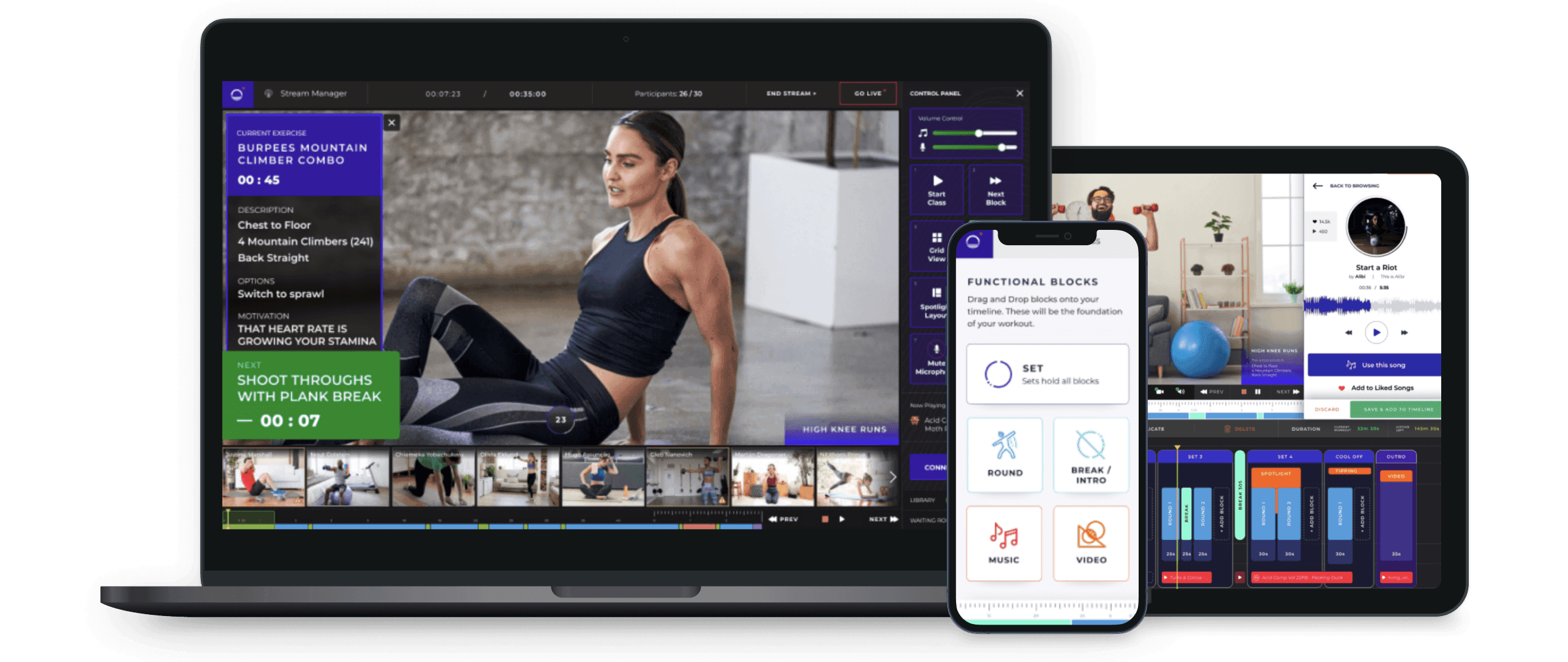
- Live streaming platforms. Multi-user broadcasting with real-time interaction, chat, reactions, and audience management. Our Stardio project is a live fitness platform where instructors run group classes with high-quality video, scheduling, payments, and participant tools — all built from scratch by our team.
- Video conferencing solutions. Custom conferencing software development for businesses that need more than Zoom can offer: branded interfaces, recording, transcription, role-based permissions, and integration with internal tools.
- Audio and music streaming. Dedicated apps for audio content delivery on iOS, Android, or web, with playlist management, offline mode, and content recommendation logic.
- Video-enabled portals and marketplaces. Customer-facing platforms where video is part of the core product: real estate tours, telehealth consultations, e-learning environments.
- Streaming extensions for existing products. Adding live or on-demand video capabilities to your current web or mobile application without rebuilding the entire product.

Why Your Business Needs to Develop a Live Streaming App
Our Tech Stack
We select technologies based on what the project actually requires, not what's trending. For streaming projects, our most common stack includes:
- LiveKit for real-time video and audio infrastructure. We chose LiveKit over OpenVidu for the Stardio project after testing showed it handled concurrent connections far more reliably at scale.
- AWS ( Amplify , DynamoDB, CloudFront, MediaLive) for backend infrastructure and content delivery.
- Node.js with TypeScript for server-side logic.
- React and Angular for frontend interfaces.
- WebRTC as the transport layer for low-latency peer-to-peer communication.
- Stripe API for payment processing and subscription management.
Our engineers don't just use these tools. They write about them. Aleksey Andruschenko, one of our Full-Stack developers, published an in-depth guide to WebRTC architecture and an analysis of LiveKit Agents for real-time AI. Pavel Janko, our CTO, shared how Moravio centralized internal data using BI tools. Martin Kratochvíl, Senior Tech Lead, wrote a comparative guide to Node.js backend frameworks based on real project decisions.
These are the same people who build streaming products for our clients.
What We Learned Building Streaming Products
Most agencies list streaming as one of twenty services. We've spent years deep inside this domain, and some lessons only come from real delivery.
* Latency is measured in trust, not milliseconds. When we built the Stardio platform, the initial technology choice (OpenVidu) couldn't handle the scale the client needed. We ran research, tested alternatives, and rebuilt the streaming layer with LiveKit Cloud. The result: a platform capable of handling hundreds of thousands of concurrent connections. The client's 5-star Clutch review specifically highlighted the quality of our streaming implementation.
* AI tools help, but streaming is not where you experiment. Pavel Janko, Moravio's CTO, puts it directly: "AI can speed up a lot of development work today. But for a live streaming platform, the game is played in fractions of a second. A delay of even one second already affects the user experience. This is exactly the kind of product where you need engineers who know how to make it reliable and secure. AI is a great tool, but for streaming infrastructure, it needs to be guided by a specialist."
* Most streaming projects we've done are under NDA. The Stardio case study is public because the client agreed to share it. We've built similar solutions for clients in media, education, and corporate communications. We can discuss our experience in a call without naming specific clients. You can read more about our approach in this article: How to Build a Live Streaming Application That Won't Cost a Fortune.
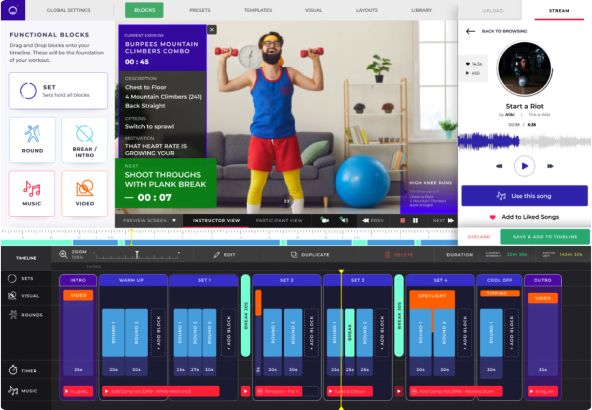
The brief was to build live streaming app platform services that include a class builder, dashboard, and stream manager.
How We Work on Streaming Projects
Every streaming project at Moravio follows a structured process, but the team composition stays flexible — we adjust roles at each phase because different stages need different expertise. It starts with discovery, where a solution architect and product manager map out your audience, use case, and scale requirements before anyone writes code. Then a UI/UX designer joins to prototype the interface, with particular attention to player controls, chat placement, and mobile responsiveness, because in streaming apps these details make or break retention. Once the plan is solid, backend and frontend engineers build in two-week sprints, so you see working software every iteration and can shift priorities as you learn. Before launch, QA engineers run both functional testing and dedicated load tests — knowing your platform handles 10,000 simultaneous viewers before go-live is not optional for streaming products. After deployment, we stay on for monitoring, maintenance, and feature updates. Most of our streaming clients continue working with us long after the first release.
If you want to see the team behind this work, visit our About Us page.
Who This Is For
We work with companies across the US, UK, and Europe. Typical clients for video solutions development include:
- Fitness and wellness platforms that need live class streaming with scheduling and payments.
- Media and entertainment companies looking to build or improve their own streaming infrastructure.
- EdTech companies that require live and recorded video delivery with student interaction tools.
- Corporate teams that need custom conferencing software development for internal communication, training, or hybrid events.
- Startups with a streaming product idea that need a technical partner to take it from concept to launch.
Frequently Asked Questions
It depends on the project. Our most common setup includes LiveKit for real-time video, AWS for infrastructure, Node.js with TypeScript on the backend, and React or Angular on the frontend. We pick tools based on your specific requirements, not a fixed template.
We use Google Meet for all client communication during development. You'll have regular sprint demos, a shared project board, and direct access to your project manager throughout the engagement.
It depends on scope. A basic MVP with live streaming, user accounts, and payments can start in the $25,000–50,000 range. Larger platforms with advanced features, multi-region CDN, and mobile apps cost more. We give a detailed estimate after the discovery phase.
Yes. We regularly integrate live video into products that weren't originally built for streaming. Our team handles the architecture changes, API connections, and frontend work needed to make video a seamless part of your product.
More context helps
Describe the situation
A few useful details help us prepare: who is affected, how the work happens today, what has already been tried, and why this matters now.