

LiveKit
LiveKit allows to build real-time audio and video apps such as livestream platforms, online event systems, and video conferencing tools.

LiveKit is a technology we use to develop real-time video and audio applications. It powers livestream platforms, video conferencing tools, and other solutions where low-latency communication is essential.
Key Features of LiveKit and How It Works
LiveKit is an open-source platform built on WebRTC. It allows us to create scalable, real-time audio and video applications without building everything from scratch.
Main features include:
Server SDKs for custom backend integration
Audio and video rooms with multiple participants
Role-based access and permissions
Screen sharing, recording, simulcast support
Native mobile SDKs and browser support
Scalable architecture for large livestream events
Who Is Using LiveKit?
Companies such as Daily , Twitch , Cloudflare , and Agora are already using this technology or contributing to its ecosystem. It is trusted across industries where real-time video and audio communication is essential. The most common applications include healthcare for telemedicine and remote consultations, fitness and wellness for live coaching and training platforms, education for virtual classrooms and online learning, and the media and events sector where it powers interactive livestream experiences.
Practical Use Cases
Hosting live video classes or events
Building internal video conferencing tools
Launching social platforms with live chat and live streams
Integrating livestream features into mobile or web apps
Powering telehealth consultations with secure, real-time video
Creating live support systems for customer service teams
Streaming live gaming or e-sports tournaments
Running live auctions or shopping events with viewer interaction
Building platforms for hybrid or virtual conferences and webinars
Developing virtual coworking spaces or remote team collaboration tools
Moravio’s Experience with LiveKit
Our team has delivered several LiveKit projects, including Stardio , a live fitness streaming platform. You can read more about this project here: Stardio Case Study.
We also work on other LiveKit projects that are under NDA. Our developers have deep experience with the full LiveKit stack, including server SDKs, frontend integrations, and scalable infrastructure deployments.

How It’s Built and Supported
Is it Free?
Yes, LiveKit is free and open-source. It can be self-hosted or used via LiveKit Cloud with access to premium support. The platform offers strong documentation and an active developer community.
Documentation and Community Support
LiveKit offers clear guides for developers, an active GitHub repository, and a helpful Discord community. This makes it easy for our team to quickly build, launch, and scale client applications.
How LiveKit Is Built on WebRTC
LiveKit is built on top of WebRTC. While WebRTC handles the low-level transport of media (video/audio streaming), LiveKit adds all the tools needed to build a real-world product. This includes media servers, user roles, recording, scalability, and APIs — allowing our team to focus on delivering a complete business-ready solution.

Projects Using This Technology
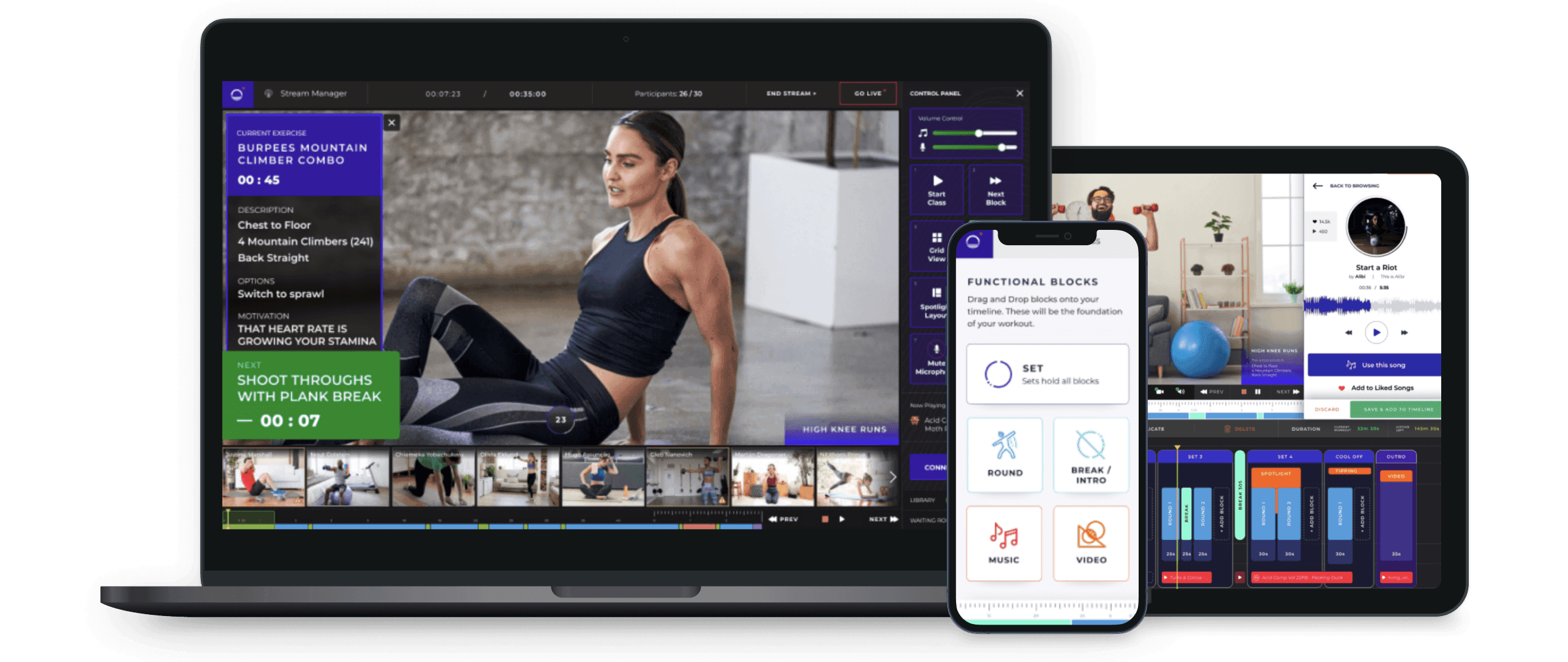
The Stardio live streaming platform : Live fitness experience
Stardio.com is an online platform for a live streaming of fitness classes. Trainers design lessons, invite an audience and broadcast workouts live. Members can subscribe to the lessons of their choice.
View Case Study
How we helped Nokia Bell Labs
Nokia Bell Labs is one of the world’s most prestigious research institutions, boasting a 100-year legacy of ground-breaking innovations. For Moravio, partnering with such a renowned organization was both an honor and a challenge. Our mission was to convert cutting-edge research into a fully functional product, while allowing the Nokia Bell Labs team to focus on what they do best - pushing the boundaries of innovation.
View Case Study TypeScript
 Node.js
 Ruby on Rails
 Python
 Laravel
 LiveKit Agents
 Java
Java Serverless Framework
 C++
C++ GraphQL
 CallKit
 Ruby
Ruby Mapnik
 JavaScript
 C# and .NET
  Terraform
 PHP
PHPMore context helps
Describe the situation
A few useful details help us prepare: who is affected, how the work happens today, what has already been tried, and why this matters now.