From Classroom to California: Our Journey with SDSU’s IBOD Program
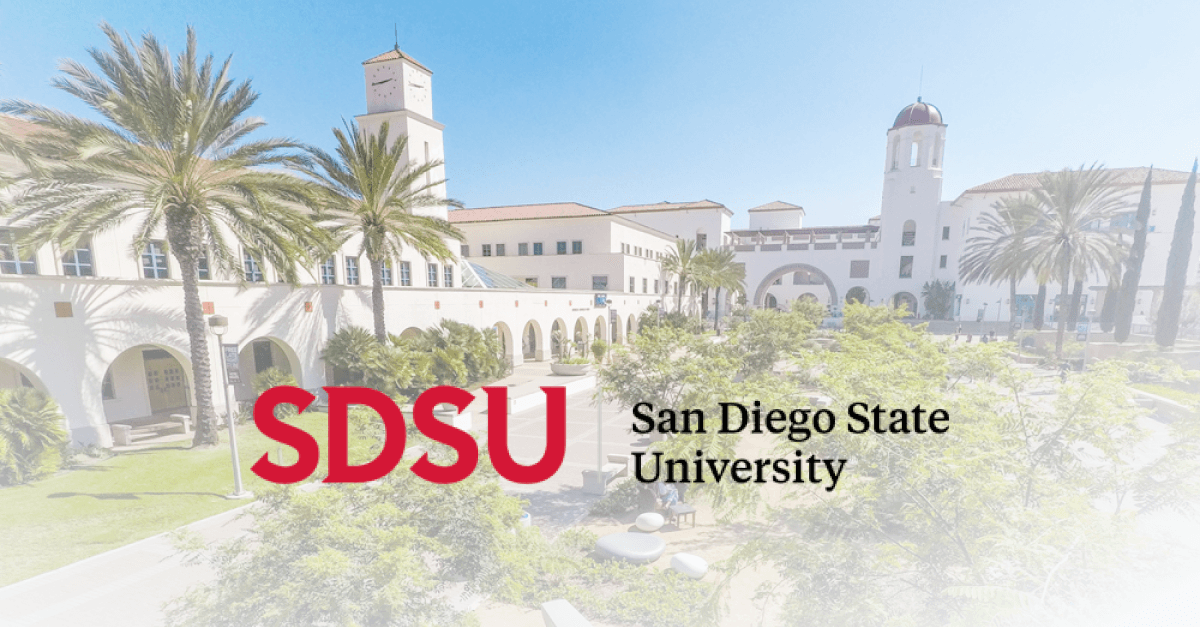
To better understand the U.S. market, we teamed up with students from San Diego State University through their IBOD program. Together, we combined academic research with real business experience — and got valuable insights in the process.
Head of Business Development

As part of our development of business overseas, we had the pleasure of partnering with San Diego State University (SDSU) through its International Business Opportunity Development (IBOD) program running through February to May. IBOD is part of SDSU’s portfolio of international-business consulting initiatives, pairing small student teams with companies that want actionable U.S.market insights. The format is an intensive, four-month collaboration of graduate-level work and counts toward the students’ capstone requirements.
Why IBOD and why SDSU?
SDSU’s International Business curriculum consistently ranks among the top programs in the United States, celebrated for weaving business fundamentals with language and regional-studies expertise. For us, that interdisciplinary DNA was exactly what we needed: a fresh, academically rigorous perspective on the West-Coast market, combined with the entrepreneurial spirit of students who are about to graduate and go pursue their dreams. Paired with our own initiatives and research, this collaboration gave us additional insights into the U.S. market segment.
Framing the Challenge
Together with SDSU faculty advisers, we defined a clear project charter during the preparation phase of the IBOD program. We defined objectives, revised scope and deliverables. Our future SDSU cohort consisted of five talented graduate students. Because the IBOD program calendar is just 16 weeks, alignment up front was critical.
Working through the goals and data
Once we were ready to go, we set bi-weekly milestones meetings and started working together on our objectives. We aligned on tasks and shared early observations together. On the ground in Southern California, the SDSU team logged some site visits, attended industry meet-ups, and conducted face-to-face interviews with municipal officials, channel partners, and early-adopter customers. In parallel, they also run online research and dove into academic data.
The real magic happened when we connected all these directions. The academic background of the students led to the delivery of methodological information and data, while our European real-world experience helped to validate assumptions and steer the research towards business actionable conclusions.
Looking Ahead
Our first IBOD program experience proved that university partnerships can deliver concrete business value while providing students with a true test-drive of international consulting and real experience with an expanding company. We really enjoyed working together on this project and look forward to exploring new opportunities in the future.

New Articles
New blog posts you may be interested in

How companies lose control: too many tools, too many Excels, too many versions of the truth
Many companies don't screw up their digitalization by doing nothing. Quite the opposite. They gradually buy a series of tools, each of which solves a small part of their operation. But over time, they discover that instead of one functional system, they have fragmented processes, unreliable data, and people who keep their own Excel spreadsheets to themselves just to be safe.
Read more
How to connect logistics, finance and reporting into one automated process
In this article, we would like to analyze a situation that we have encountered in practice several times. Of course, it does not only apply to logistics companies in certain respects, but for today we will use it as an example.
Read more
How to Use AI in Business Development for Actual Results
Dennis Fino shares how AI can support business development in everyday work. Based on Moravio’s experience with workflow automation and AI integration, he shows how teams reduce manual tasks and focus more on building relationships with clients. The examples come directly from real workflows used in business development today.
Read moreRead also
Recommended reads for You

How companies lose control: too many tools, too many Excels, too many versions of the truth
Many companies don't screw up their digitalization by doing nothing. Quite the opposite. They gradually buy a series of tools, each of which solves a small part of their operation. But over time, they discover that instead of one functional system, they have fragmented processes, unreliable data, and people who keep their own Excel spreadsheets to themselves just to be safe.
Read more.png&w=3840&q=75)
Why Do Digital Transformation Projects Suffer such High Failure Rates?
Digital transformation is a priority for many companies, yet most initiatives still fail to deliver the expected results. Based on Moravio’s hands-on experience and insights shared by Dennis Fino, this perspective reflects what teams often overlook long before technology becomes the issue.
Read more
Build the Right Hotel Software and AI CRM System That Works for You
Helpful insights from our project manager Hsinyu Ko for hotels that want better software that truly fits how they work. Based on our experience from software projects.
Read more
Jakub Bílý
Head of Business Development