

Insights for business and marketing that the Moravio team found interesting at COE 2026
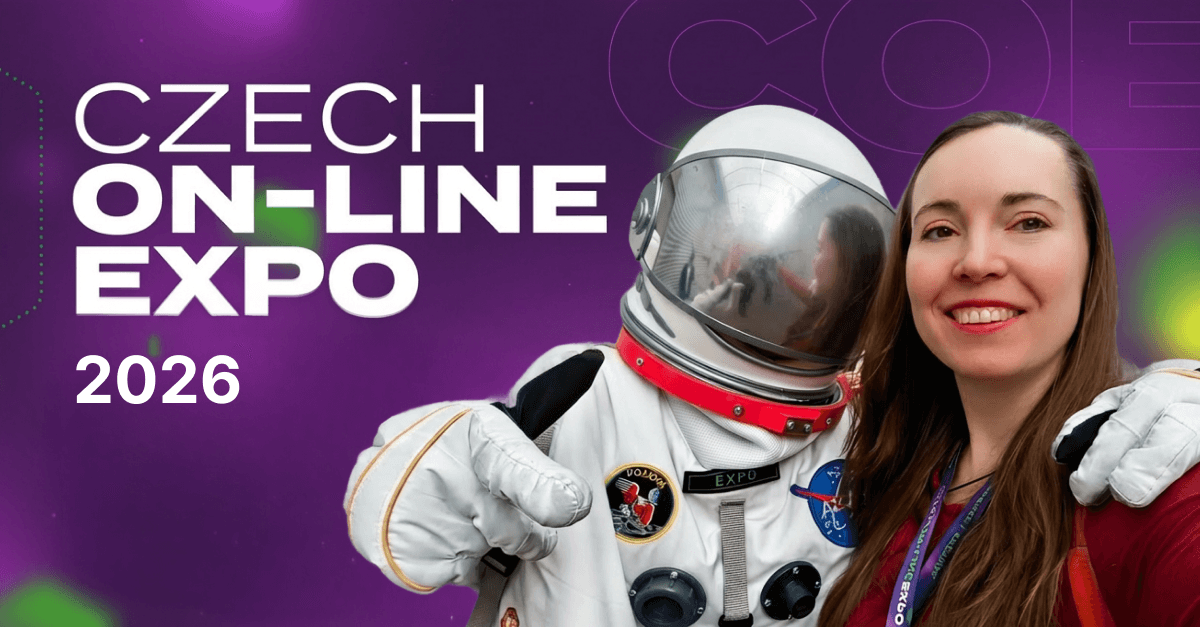
Our Head of Marketing, Olga Topal, attended the Czech Online Expo in Prague and prepared a short summary for you. If you couldn't make it, here is a look at the key takeaways we found most relevant for today's market.

Head of Marketing
On this page(6)
- Ins ight #1 - Most people still don't know how to work with AI, but ignoring it is no longer an option
- Insight #2 - People still buy from people, not AI
- Insight #3 - Everything new is a well-forgotten old
- Insight #4 - Show up. Make sure to attend events like this
- Insight #5 - If you exhibit, prepare your team for battle
- Insight #6 - The hidden trap - off-the-shelf solutions often lock businesses into long contracts
Fresh back from Czech Online Expo 2026. It was a massive event, and I’ve spent some time distilling the most valuable insights for you. We’ve already posted some of these on Moravio’s social media - if you’re not following us yet, catch up here: LinkedIn, Facebook, Instagram, X. Consider this a deep dive. I’m expanding on our social media updates with more context and insights you won't find elsewhere.
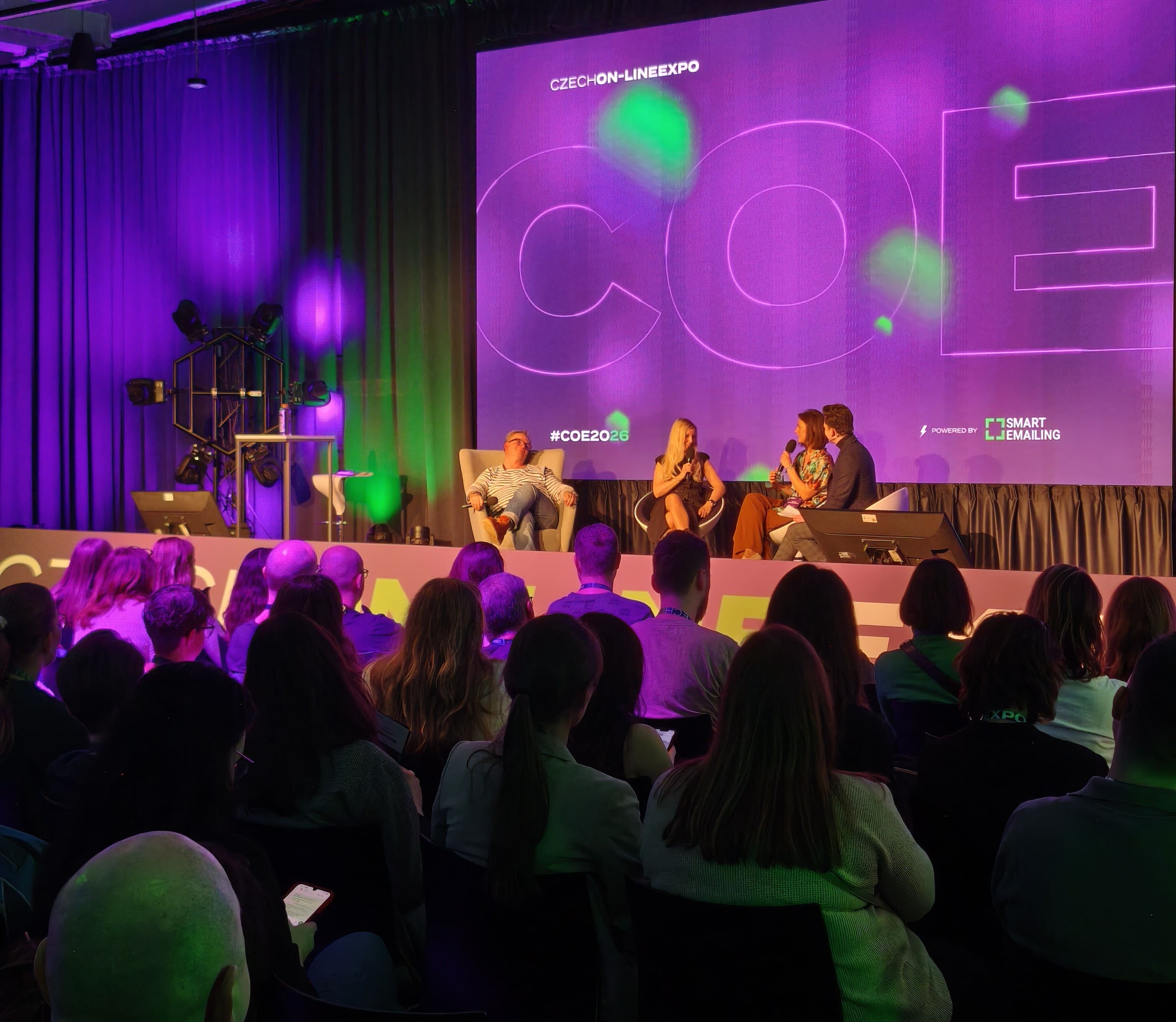
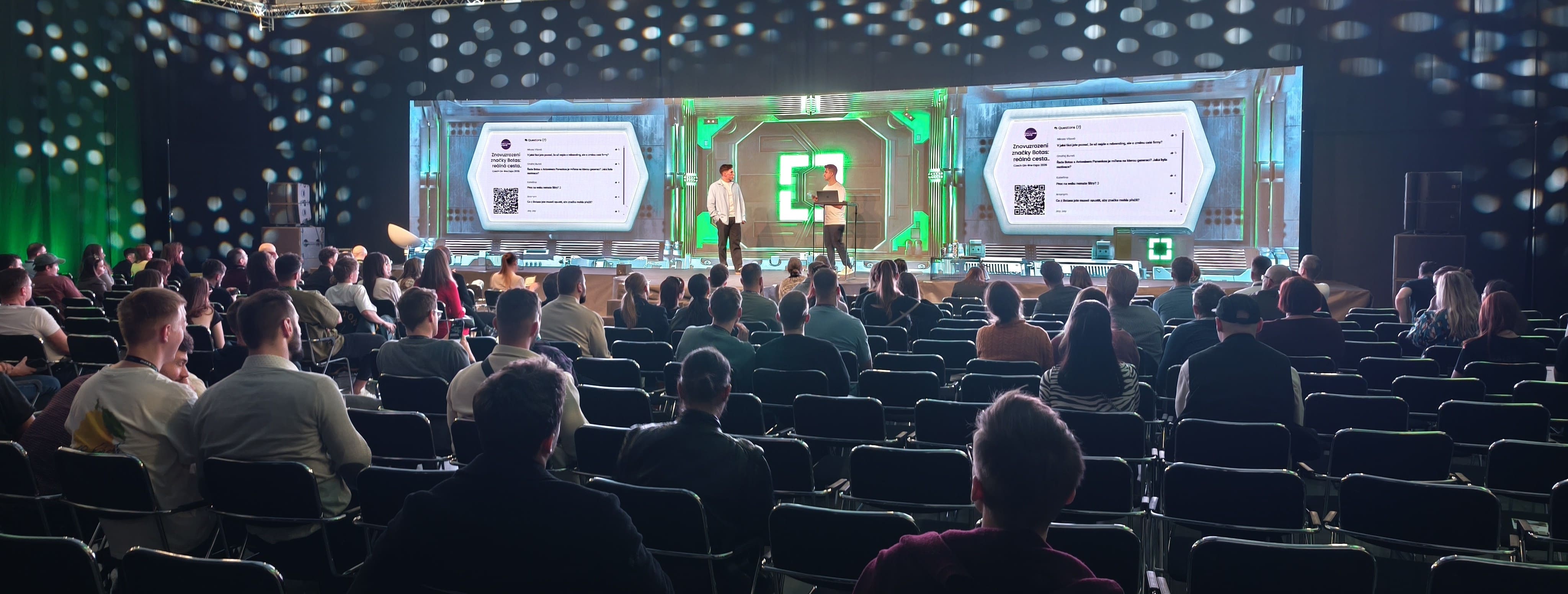
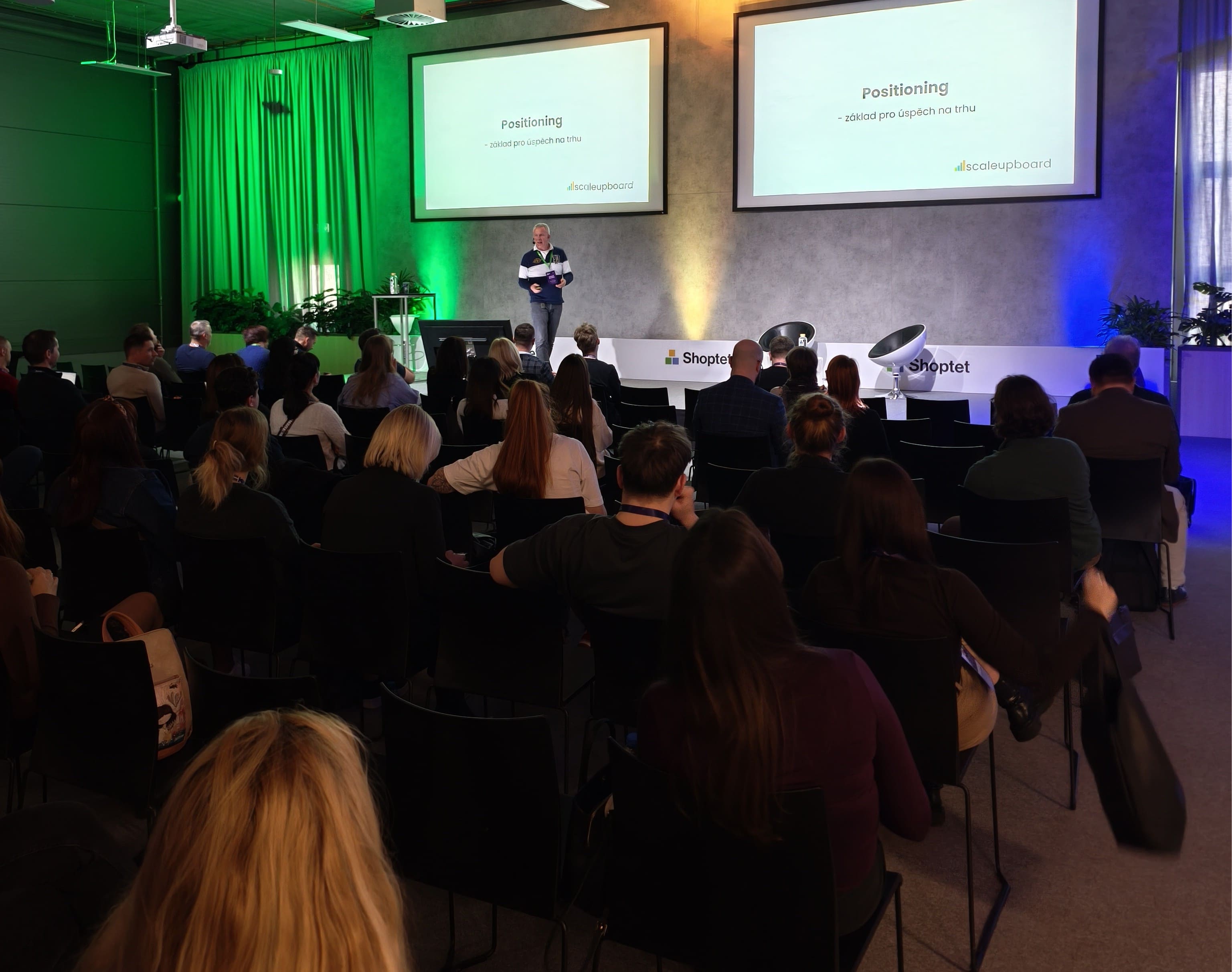
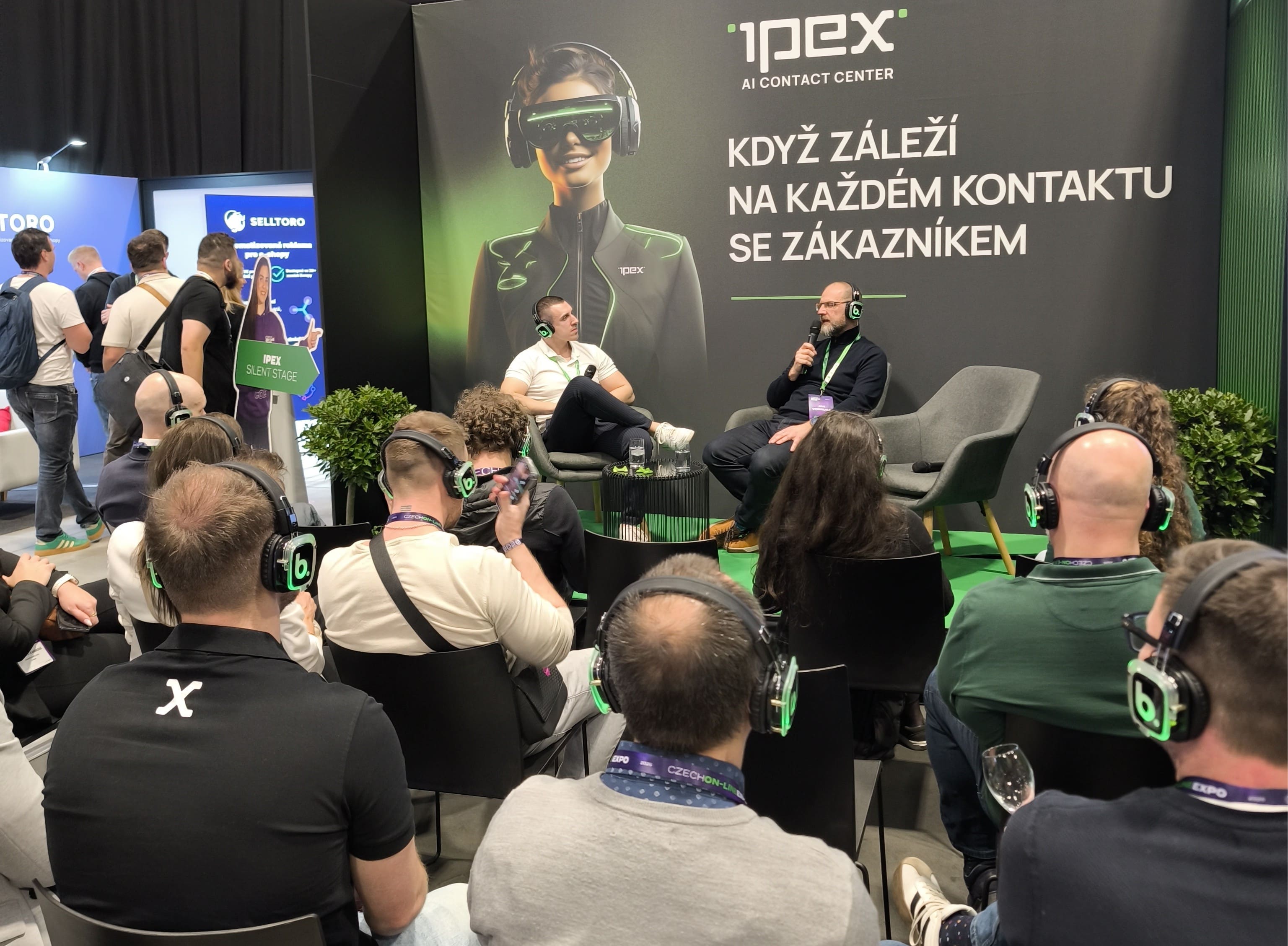
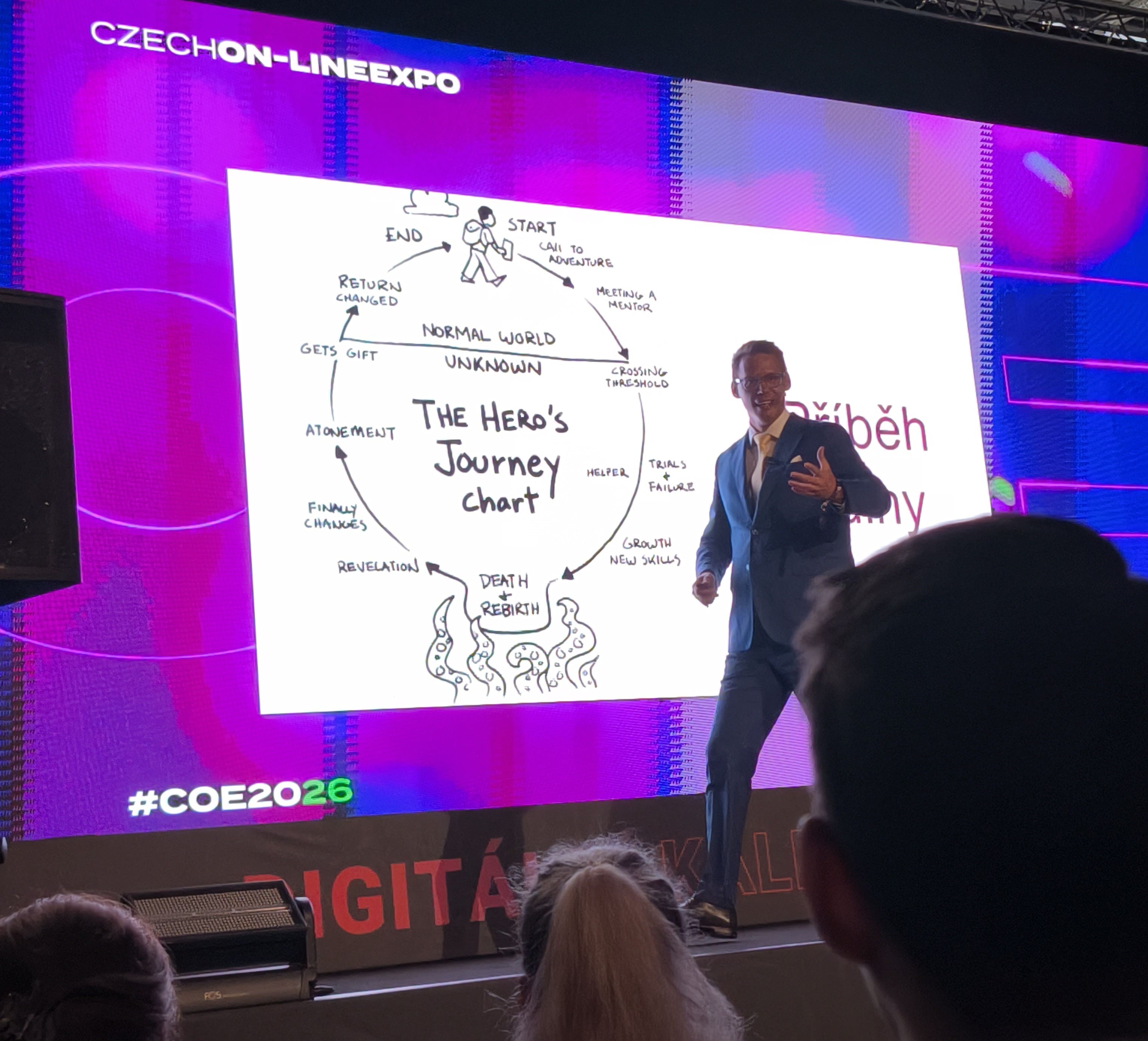
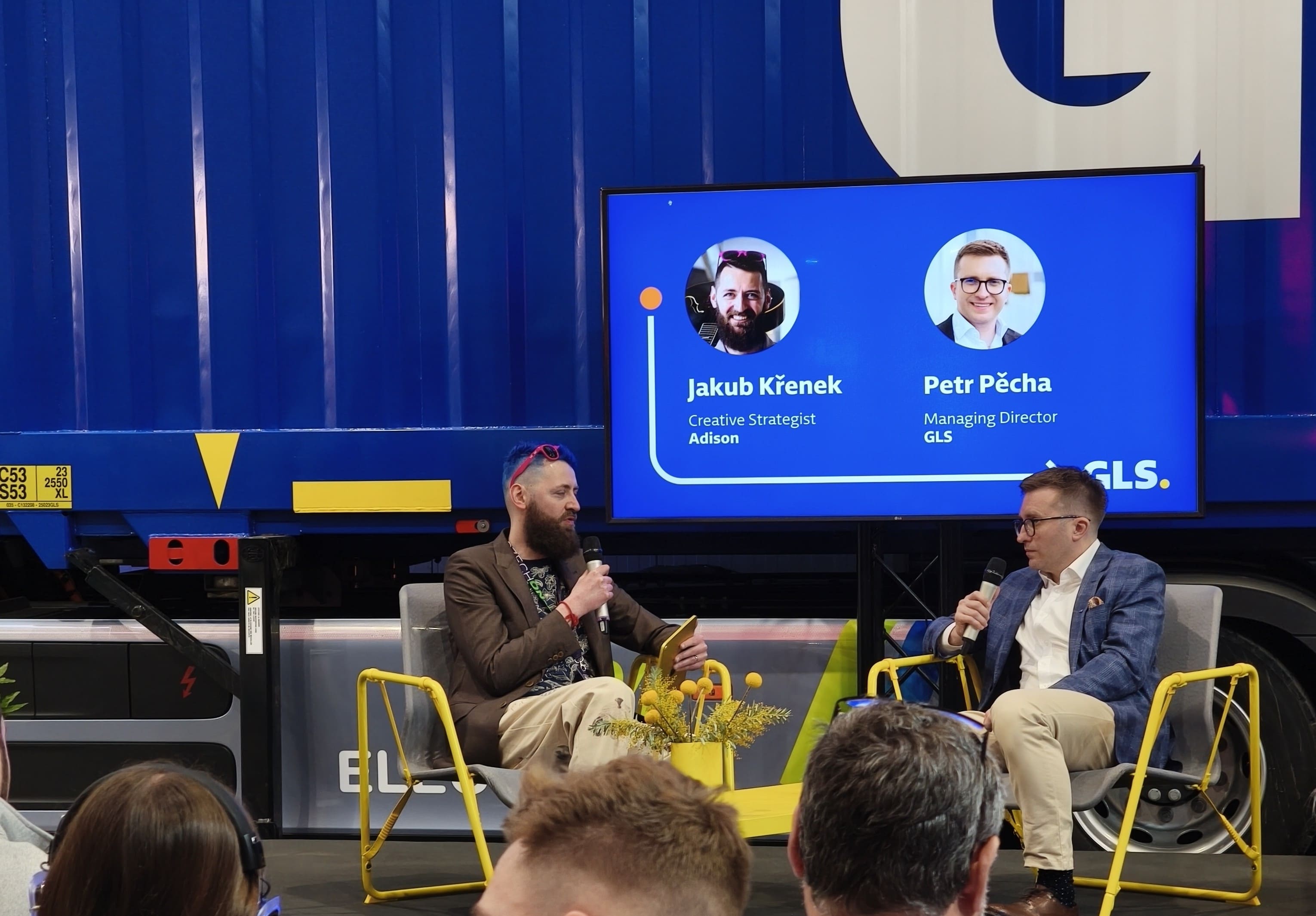
The event format was two days, seven stages where speakers presented on different topics throughout the day, and an exhibition area.
The first thing that stood out compared to previous years was the number of AI labels on banners at the booths. Many products and companies have added AI features. At the same time, there is still a noticeable number of companies that don't have any AI features and don't plan to add them, because they prefer human work.
The same could be seen during the talks. Presentations about AI were so popular that there was almost no free space in the room. The audience was very active and asked many questions. Based on the questions people asked most often, I made a short summary. I consider this Insight #1.

Ins ight #1 - Most people still don't know how to work with AI, but ignoring it is no longer an option
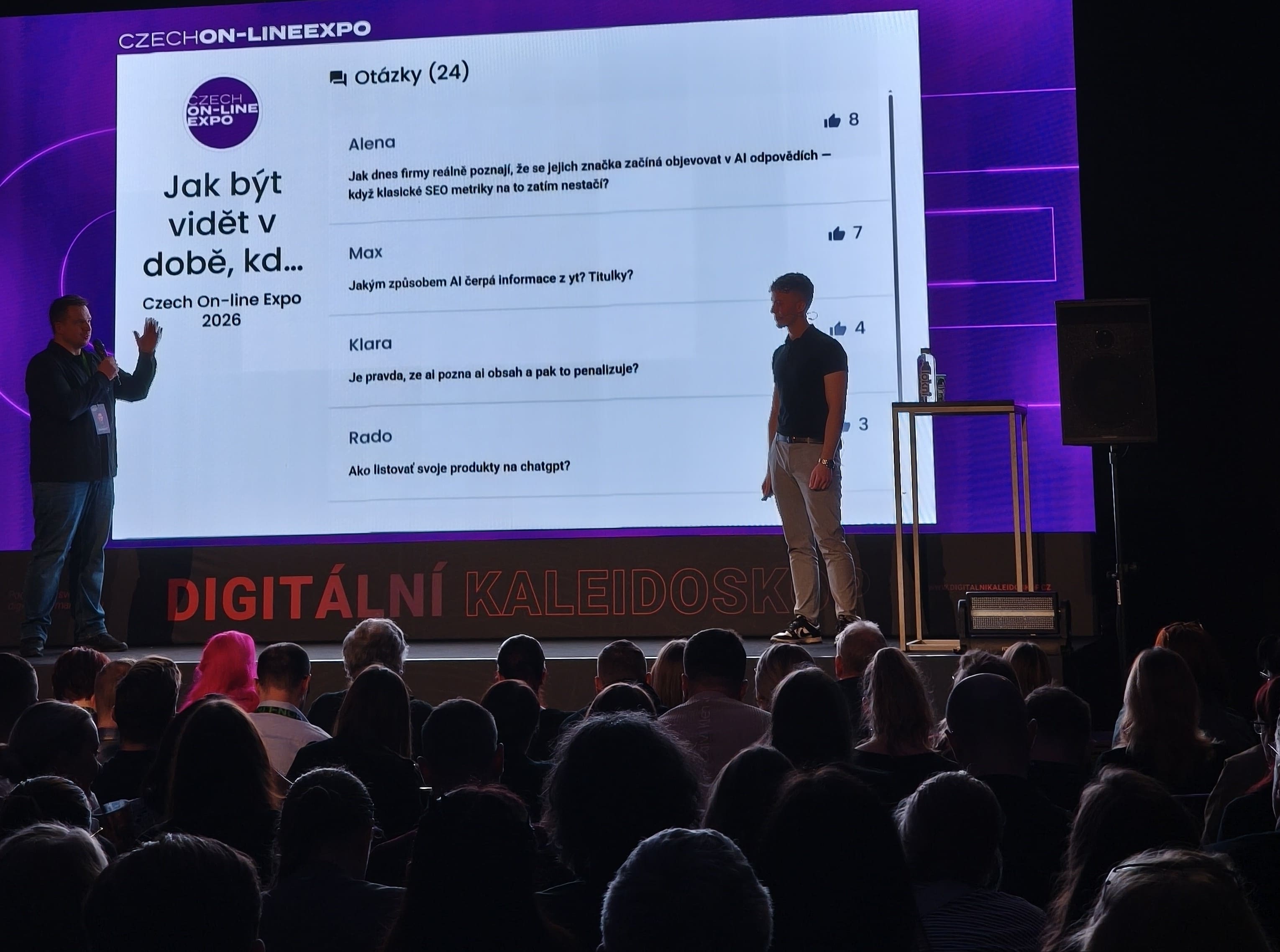
The conference had an app that allowed attendees to ask questions to the speakers and vote for the best ones so they would definitely be addressed. I reviewed the questions people voted for during different talks about AI, and from them I understood several things.
People are very concerned about data security when implementing AI. Almost every speaker was asked, “What risks do I take if I integrate AI into my business processes?”
There is also a group of people who are skeptical about AI and even afraid of it. At the same time, they understand that it can no longer be ignored. Because of that, they were moving from one talk to another and asking the same questions to different speakers.
Basic understanding of how AI works is still quite low, and it was clearly visible in the questions. My advice here is not even to start with courses, but simply open the tools that already exist on the market (like ChatGPT, Gemini, Grok , etc) and ask them directly: “How do you work? Explain the logic. Why don’t you show my company when I ask about services? How can I prevent you from hallucinating? How can I use you for my business?” and so on.
We have already discussed how many businesses are unprepared for AI in our research here - The “AI readiness” index on the market is 40%. However, listening to the conversations at the exhibition booths made one thing clear: it is critical to understand your own business needs before buying what a salesperson is pushing just because it has an "AI-powered" label.
For the Moravio team, I’ve taken a note to implement an AI Disclaimer - a transparent explanation of exactly how we use AI in our work. It also confirmed that our decision to create a dedicated AI Knowledge Hub was the right move.
My final thought - don’t be fooled by the hype. Don’t rush into ready-made AI solutions just because they are trendy. Understand the technology first, then determine whether an off-the-shelf tool or a custom solution actually fits your business logic.
Insight #2 - People still buy from people, not AI
There were almost no successful cases where AI created positioning for a company and sold its product or service instead of people. For the B2B segment this is obvious, but it also applies to B2C. Several speakers highlighted this during their talks. AI is a good assistant for research and preparation, but it cannot replace human empathy and accountability. Real storytelling and the courage to take risks still require a human touch.
The most interesting moment was leaving a lecture about skepticism toward AI in sales and then seeing booth representatives promising that with their AI-powered CRM or AI bot, sales would run almost automatically.
Investing in AI is smart, but investing in your marketing strategy and your sales team remains non-negotiable.
Insight #3 - Everything new is a well-forgotten old
I have been attending events like this for many years. One of the big ones I used to visit in Ukraine is IForum. Many years ago I listened there to talks from some of the top internet marketers, and looking back, the basics of success haven't changed at all.
The same topics appear again and again: how to position yourself in the market, how to price your products correctly, team discipline, motivation and KPIs, automation of routine tasks, and how to build a proper strategy.
Despite the hype, there are still no "magic pills" that will 10x your client base overnight. Just as we saw with previous tech waves, simply buying or integrating AI won’t magically multiply your revenue.
Real sales growth is still driven by the fundamentals: deep audience analysis, solving specific customer pain points, and clear differentiation from the competition.
Insight #4 - Show up. Make sure to attend events like this
New technologies and products built on them are constantly appearing on the market. That is why it is important to attend events like this and see what is new.
Think about what could happen if your competitor starts using one of these solutions tomorrow. How would it affect your business? Would your clients stay with you if a competitor introduces a new AI feature?
While you're there, listen to the floor. The questions people ask at exhibition booths are a goldmine for understanding real customer "pain points." And of course, never underestimate the power of face-to-face networking to stay top-of-mind with your partners.
Insight #5 - If you exhibit, prepare your team for battle
As a marketer, this one was painful to watch. A booth is a massive investment, yet some teams failed at the finish line. Here are a few "red flags" I saw:
There were teams that could not answer a simple question: what makes your product better than the similar one at the booth across the aisle? Why should I choose you?
In some cases, when I asked about a specific service I was interested in, the answer was: “I don’t know. Here is our website/email/phone number, you can ask there.”
At one booth the team was drinking coffee. I even caught myself thinking that it was hard for me to focus on the conversation because I hadn't had my morning coffee, while the person speaking with me was drinking one. Many teams were well prepared and offered coffee or drinks at their booth, but some didn't.
The takeaway: If a visitor is thirsty, hungry, or has nowhere to sit, they won’t focus on your value proposition. Successful exhibitors solve basic human needs first - water, a quick snack, or a chair, to clear the way for a business conversation.
Insight #6 - The hidden trap - off-the-shelf solutions often lock businesses into long contracts
The exhibition was packed with AI-powered products sold under mandatory annual subscriptions. Before committing, ask yourself: does your business truly need a ready-made tool, or a custom AI solution built for your specific logic?
One of the speakers also raised the point that SaaS products tend to increase in price every year. On top of that, you add more users, customize the process a bit, expand the database, and suddenly the price becomes several times higher. Our COO, Barbora Thornton, described this well in her article Vendor Lock-in: Hidden Costs and How to Prevent Them.
At Moravio, we believe in independence and efficiency. We offer free consultations to help you navigate the noise, don’t hesitate to reach out and find out which AI strategy is the best fit for your business needs.


New Articles
New blog posts you may be interested in

Quote automation for manufacturers: what changed in the last year
Manufacturers do not lose days on quotes because pricing is hard. They lose them because someone has to turn drawings, emails and spreadsheets into a clean list before pricing can even begin. That manual step is finally small enough to automate.
Read more
Finance + Operations Alignment: What Actually Improved
When finance and operations run in separate realities, companies usually pay twice, first in time, then in errors. This case explains what improved after aligning dispatch, document flow, and invoicing readiness.
Read more
What Changed After Moving to Reservation Lifecycle Control
This case outlines practical change after moving from volume-push behavior to controlled reservation lifecycle management. The goal was not another dashboard. The goal was to change operational decision quality over time.
Read moreRead also
Recommended reads for You
Quote automation for manufacturers: what changed in the last year
Manufacturers do not lose days on quotes because pricing is hard. They lose them because someone has to turn drawings, emails and spreadsheets into a clean list before pricing can even begin. That manual step is finally small enough to automate.
Read more
How companies lose control: too many tools, too many Excels, too many versions of the truth
Many companies don't screw up their digitalization by doing nothing. Quite the opposite. They gradually buy a series of tools, each of which solves a small part of their operation. But over time, they discover that instead of one functional system, they have fragmented processes, unreliable data, and people who keep their own Excel spreadsheets to themselves just to be safe.
Read more
Why Do Digital Transformation Projects Suffer such High Failure Rates?
Digital transformation is a priority for many companies, yet most initiatives still fail to deliver the expected results. Based on Moravio’s hands-on experience and insights shared by Dennis Fino, this perspective reflects what teams often overlook long before technology becomes the issue.
Read moreMore context helps
Describe the situation
A few useful details help us prepare: who is affected, how the work happens today, what has already been tried, and why this matters now.