
The same order is typed in twice.
It arrives in one system, someone reads it there and enters it in the next one. Sometimes a third person enters it again for invoicing.
Connected systems
We connect the flow between them and leave the systems that do their job in place.
Order · Stock · Delivery note · Invoice · Customer record
Each system was bought for a good reason and each one does its part. Carrying an order from one of them to the next is done by people, and that is the part we take over.
Is this your case?
The systems are rarely the problem. The time goes into carrying the same order from one of them to the next.
It arrives in one system, someone reads it there and enters it in the next one. Sometimes a third person enters it again for invoicing.
The address, the payment terms or the discount differ depending on where you look. Everyone has their own answer for which one to trust.
A connection was built once by someone who has since left. Every upgrade of the ERP turns into a week of waiting to see what stopped arriving.
Someone exports from one, adjusts the rows and imports into the other. That file is part of your operation now, and it has no owner.
Where the flow breaks
The cost sits in the gaps. How many orders you can take this week depends on how many people are free to carry data between the systems, so capacity gets decided in the office. A hand-over that failed is usually found days later, by a customer asking where the delivery is. The systems then get blamed for a flow that nobody ever built, and the next thing discussed is replacing a tool that was doing its job.
The dashed steps are the ones where a person moves data between two systems that both did their part. Count how often each of them happens in a week, and you have the size of the problem.
Your options
If the flow between your systems were a standard one, a supported connector would already cover it. We check what your vendors and your own licences already do before we propose anything custom.
Fits when
the supported connector carries the whole hand-over, start to finish.
Several systems ship a supported connection to the ones you already run. When it carries the whole hand-over, including what happens on a failure, we will tell you to use it.
Fits when
the missing piece stays inside one product you already pay for.
A field, a status, an import or a supported extension often settles it. It stays inside the vendor's support, which keeps it cheap to own.
Fits when
the meaning of the data, the permissions or the failures decide the outcome.
We build the path for one business event and write down which system owns each field, who may change it and what happens when one side is down. Everything else stays where it is.
Fits when
the flow itself is missing from every system you own.
Orders, statuses and documents live in one place that reads from the ERP and the CRM and writes back to them. The systems keep doing their own work.
Fits when
nobody owns the field that the two systems disagree about.
Connecting two systems that hold different rules copies the disagreement faster. Where the rule has no owner yet, we will say so and stop there.
How we work on it
The hard part is knowing which system is right when two of them disagree. That is business knowledge, and it lives with your people.
We sit with the people who enter it, export it and check it, and we write down every point where it changes hands. The exceptions get written down in the same pass.
We name the event that starts it, the system that owns each field and what has to happen when one side is unavailable. The scope and the estimate are written down first.
The first version can read from your systems and prepare the write for a person to confirm. The people who do the job see it on real orders while it is still small enough to change.
Retries, reconciliation and alerts make a broken hand-over findable the same day. Monitoring and the responsibility for it have a named owner.
Relevant work
Transport and bulk materials, Czech Republic
400+ daily users
Ridera supplies solid fuels, aggregates and recycled materials, and its trucks and wagons leave the yards on what the internal system says. Dispatch, drivers, administration and finance work on the same records, and documents from the field reach invoicing on the same day.
Hardware distribution, CEE
An enquiry to the right contact in minutes
A fast growing distributor sits between the manufacturers and the end customers, with the agenda spread across spreadsheets and separate tools. Partners now fill in what the company needs through their own link, availability and prices arrive from a supplier database, and invoices are created, sent and matched to payments through the accounting service.
The sector changes and the situation repeats. One item has to cross several systems, and the question is the same every time. Which system is right about each field, and what happens when one of them is not there.
We start with one order
Why Moravio
We check the supported connectors and the settings in your own licences first. Custom work starts where the rules, the permissions or the failures require it.
ERP, CRM, e-shop and the specialist tools stay in place. The flow we build reads from them and writes back to them.
A hand-over that fails raises an alert, retries and can be reconciled. Nobody has to find it days later in a customer email.
The code, the field mappings and the rules stay with your team, and the flow can run on your infrastructure.
The first step
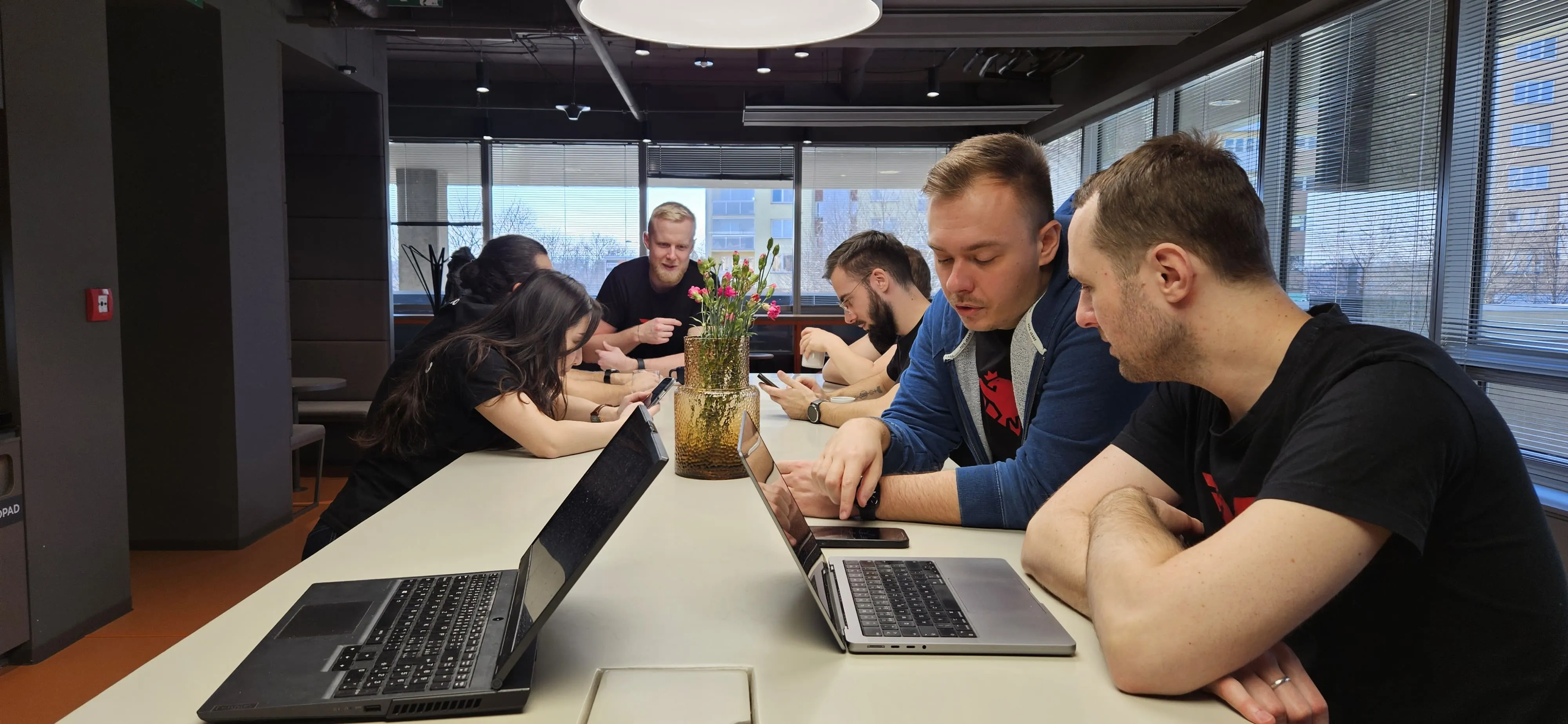
We take one real order and follow it from the moment it arrives to the moment it is invoiced and reported. You need nothing prepared and no specification. You talk to the people who design and build the flow, so nothing is lost on the way to a delivery team.
01
We pick one ordinary order from last week and start at the point where it arrived. An everyday case shows where the work really goes.
02
We mark every point where a person moves it from one system to the next, and how long it waits at each of them.
03
We write down which system is right for each field and status, who may change it, and which writes could happen without a person.
04
We put the hand-overs side by side with what each one costs today, and we name the one to start with, with its scope and its estimate.
What you bring
One real order from last week and the people who handle it. Nothing prepared, no specification.
What you leave with
The path of that order with the hand-overs marked, which system owns which field, the options for the first hand-over including buying it and waiting, and a scope and estimate for it.
FAQ
Start with the situation
Send us the messy version. We will help make the next decision clear.